The Role of IUCN in Armenia's Conservation Strategies
- Jun 18
- 4 min read
Armenia, a country rich in biodiversity and natural beauty, faces numerous environmental challenges. The International Union for Conservation of Nature (IUCN) plays a pivotal role in shaping conservation strategies in Armenia. This blog post explores the IUCN's contributions to Armenia's conservation efforts, highlighting specific initiatives, partnerships, and the impact of these strategies on the country's ecological landscape.
Understanding the IUCN
The IUCN is a global organization dedicated to the conservation of nature and the sustainable use of natural resources. Founded in 1948, it brings together governments, NGOs, scientists, and local communities to promote biodiversity conservation. The IUCN is known for its Red List of Threatened Species, which assesses the conservation status of species worldwide.
Key Functions of the IUCN
Research and Data Collection: The IUCN conducts extensive research to gather data on biodiversity, ecosystems, and species. This information is crucial for developing effective conservation strategies.
Policy Advocacy: The organization works with governments to influence policies that promote sustainable development and conservation.
Capacity Building: The IUCN provides training and resources to local communities and organizations, empowering them to engage in conservation efforts.
Armenia's Biodiversity
Armenia is home to a diverse range of flora and fauna, including many endemic species. The country's unique geographical position, characterized by mountains, forests, and rivers, creates a variety of habitats. However, Armenia's biodiversity is under threat from factors such as habitat loss, pollution, and climate change.
Key Biodiversity Areas
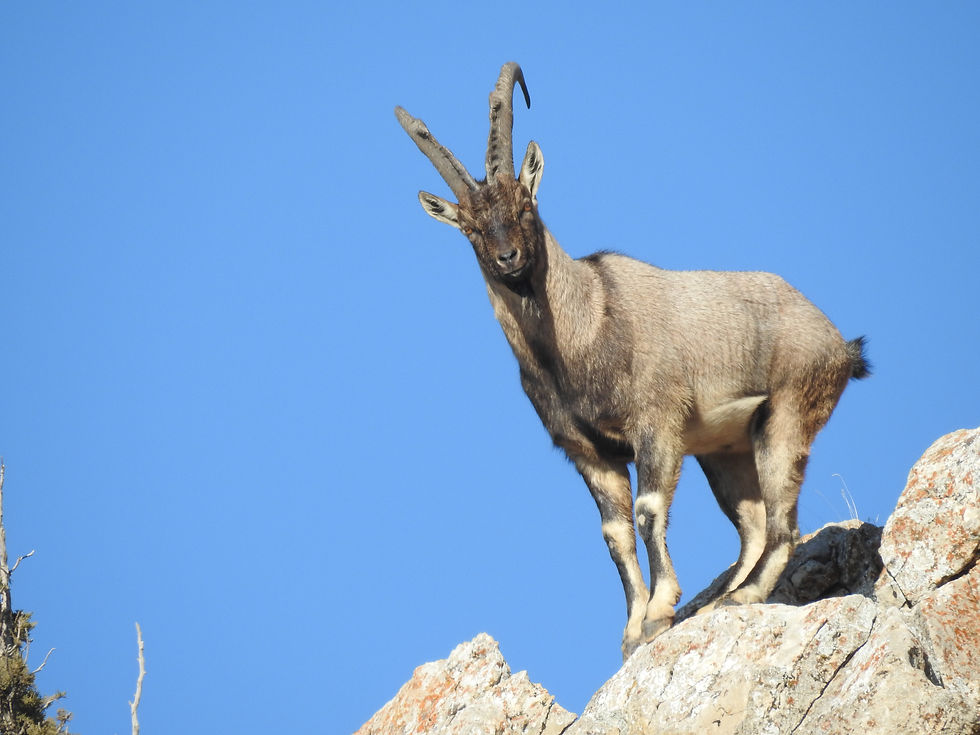
Khosrov Forest State Reserve: This protected area is one of the oldest in Armenia and is home to numerous plant and animal species, including the Armenian mouflon.
Lake Sevan: Known for its rich aquatic biodiversity, Lake Sevan is crucial for the survival of several fish species and migratory birds.
Dilijan National Park: This park is a biodiversity hotspot, featuring lush forests and a variety of wildlife, including rare species like the Caucasian red deer.
IUCN's Initiatives in Armenia
The IUCN has been actively involved in various conservation initiatives in Armenia. These projects aim to address the pressing environmental challenges the country faces while promoting sustainable development.
Promoting Protected Areas
One of the IUCN's significant contributions to Armenia is the promotion of protected areas. The organization collaborates with the Armenian government to expand and manage protected areas effectively. This includes:
Establishing New Protected Areas: The IUCN has supported the designation of new protected areas, ensuring the conservation of critical habitats.
Improving Management Practices: By providing training and resources, the IUCN helps local authorities enhance the management of existing protected areas, ensuring they meet conservation goals.
Biodiversity Monitoring and Assessment
The IUCN plays a crucial role in monitoring Armenia's biodiversity. Through various projects, the organization collects data on species populations and habitats, which informs conservation strategies. Key activities include:
Species Assessments: The IUCN conducts assessments of threatened species, providing valuable information for conservation planning.
Ecosystem Monitoring: By monitoring ecosystems, the IUCN helps identify changes in biodiversity and the health of natural habitats.
Community Engagement and Education
Engaging local communities is essential for successful conservation efforts. The IUCN works to raise awareness and educate communities about the importance of biodiversity and conservation. This includes:
Workshops and Training: The IUCN organizes workshops to educate local communities on sustainable practices and the importance of protecting natural resources.
Community-Led Conservation Projects: The organization supports initiatives led by local communities, empowering them to take charge of their conservation efforts.
Success Stories
The IUCN's efforts in Armenia have led to several success stories that demonstrate the positive impact of conservation strategies.
The Recovery of Endangered Species
Through targeted conservation efforts, several endangered species in Armenia have shown signs of recovery. For example, the population of the Armenian mouflon has increased due to habitat protection and management practices supported by the IUCN.
Sustainable Tourism Development
The IUCN has also promoted sustainable tourism in Armenia, which benefits both the economy and conservation efforts. By developing eco-tourism initiatives, local communities can generate income while preserving their natural heritage.
Challenges Ahead
Despite the progress made, Armenia still faces significant challenges in its conservation efforts. These include:
Climate Change: The impacts of climate change threaten biodiversity and ecosystems, making it crucial to adapt conservation strategies accordingly.
Pollution and Habitat Loss: Industrial activities and urbanization continue to pose risks to Armenia's natural habitats, requiring ongoing attention and action.
The Future of Conservation in Armenia
Looking ahead, the IUCN's role in Armenia's conservation strategies will remain vital. Continued collaboration with the Armenian government, local communities, and international partners will be essential for addressing emerging challenges and ensuring the sustainability of Armenia's rich biodiversity.
Strategic Partnerships
Building strategic partnerships will enhance the effectiveness of conservation efforts. The IUCN aims to strengthen collaborations with various stakeholders, including:
Government Agencies: Working closely with government bodies to align conservation goals with national policies.
Local NGOs: Partnering with local organizations to leverage their knowledge and expertise in community engagement.
International Organizations: Collaborating with other international bodies to share best practices and resources.
Innovative Approaches
The IUCN is committed to exploring innovative approaches to conservation. This includes:
Utilizing Technology: Implementing technology for monitoring biodiversity and enhancing data collection.
Promoting Sustainable Practices: Encouraging sustainable agriculture and forestry practices that benefit both the environment and local communities.
Conclusion
The IUCN's contributions to Armenia's conservation strategies are invaluable. Through its initiatives, the organization has made significant strides in protecting the country's rich biodiversity. However, ongoing challenges require continued commitment and collaboration among all stakeholders. By working together, Armenia can secure a sustainable future for its natural heritage, ensuring that future generations can enjoy the beauty and diversity of its landscapes.
As we reflect on the IUCN's role in Armenia, it is clear that the path forward lies in a collective effort to protect and preserve the unique ecosystems that define this remarkable country.

Comments